
March 4, 2026
/
Winter Redness: What’s Causing It and How to Treat It
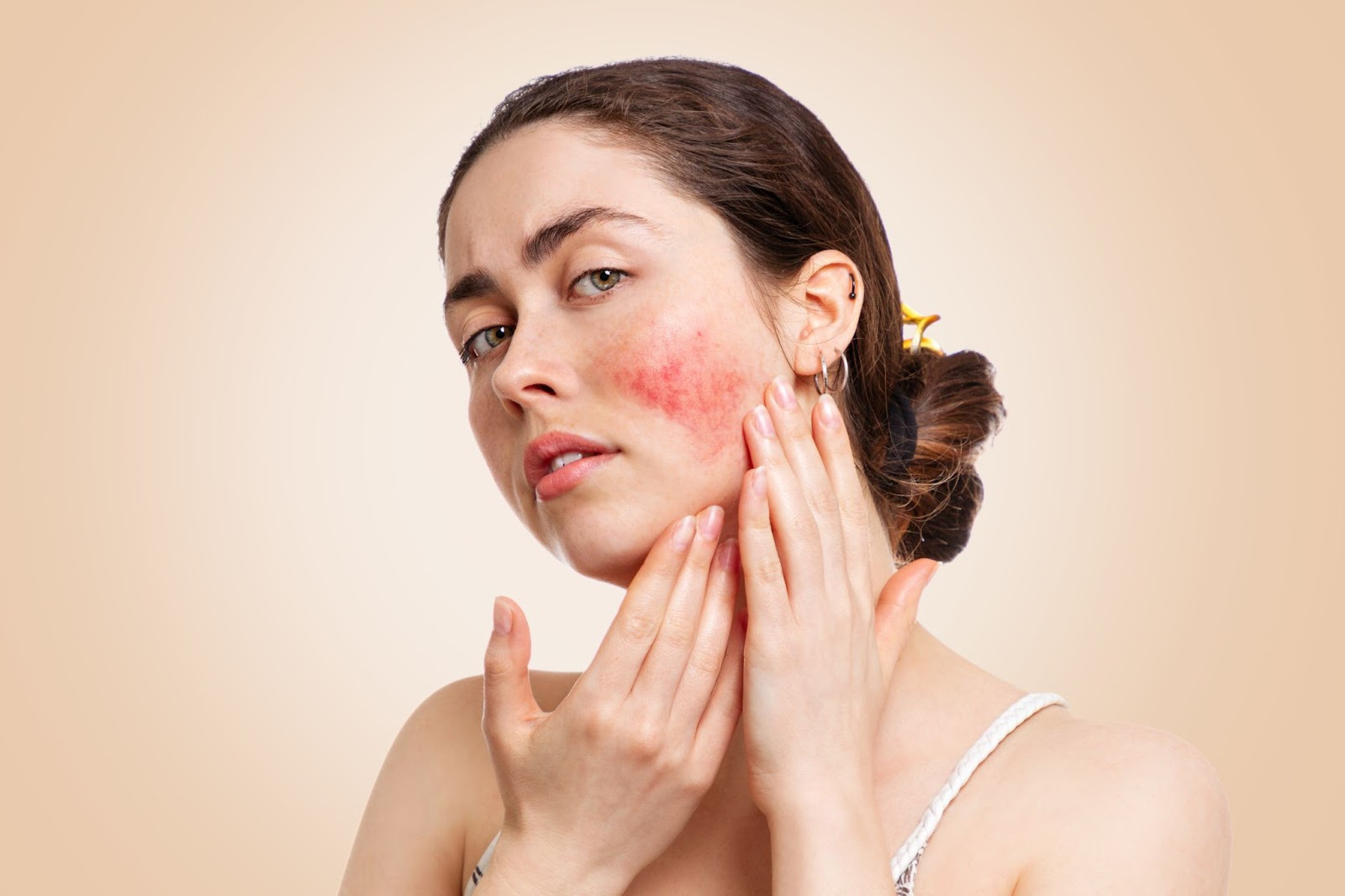
Winter redness is a common concern for many individuals, often linked to underlying skin sensitivities or conditions such as rosacea. At Park Avenue Medical Spa, we see patients who experience persistent flushing, irritation, and visible capillaries during colder months. Rosacea is a chronic condition that causes facial redness, often accompanied by flushing, visible blood vessels, and occasional bumps or pustules. Environmental triggers, seasonal changes, and impaired skin barriers all play a role in exacerbating symptoms.
Cold temperatures, wind, and dry indoor air can strip the skin of moisture, making it more reactive. For those with rosacea, these seasonal stressors amplify redness and discomfort. Flushing may appear on the cheeks, nose, forehead, or chin, and can vary in intensity throughout the winter. Understanding the root cause is key to selecting effective treatments and protecting the skin barrier to maintain a calm, balanced complexion year-round.
How Cold Weather Affects the Skin Barrier
The skin barrier functions as a protective layer, keeping moisture in and irritants out. In winter, cold temperatures and low humidity weaken this barrier, making skin more susceptible to redness, irritation, and dryness. Barrier damage can trigger inflammatory responses, which are especially pronounced in individuals prone to rosacea. The result is heightened sensitivity, increased flushing, and discomfort.
Compromised skin barrier function also reduces the skin’s ability to repair itself and maintain hydration. Frequent temperature changes, hot showers, and harsh cleansers exacerbate these effects. By supporting the barrier with gentle skincare, moisturization, and avoiding excessive exfoliation, patients can reduce winter redness and improve resilience. Proper barrier care is the foundation of managing seasonal flare-ups while maintaining healthy, comfortable skin.
Common Triggers of Winter Redness
Winter redness is often triggered by cold winds, indoor heating, and low humidity, especially for those with rosacea or sensitive skin. Skincare habits such as hot showers, harsh cleansers, or abrasive exfoliation can worsen irritation. Foods, alcohol, and stress may also intensify flushing, creating multiple triggers that become more noticeable during the colder months.
Being aware of these triggers is key to managing seasonal redness. Identifying personal contributors, from environmental exposure to lifestyle habits, allows proactive measures. Simple steps, such as layering scarves, avoiding sudden temperature changes, and using barrier-supporting products, can reduce flare-ups. Combining environmental awareness with professional guidance improves the effectiveness of treatments and daily care.
Treatment Strategies for Winter Redness
Managing winter redness focuses on reducing inflammation, supporting the skin barrier, and addressing conditions like rosacea. Gentle skincare products such as soothing cleansers, barrier-repair creams, and ceramide-rich moisturizers help reduce irritation and strengthen skin. Topical therapies, including azelaic acid or prescribed anti-inflammatory creams, may further control redness.
Professional treatments at Park Avenue Medical Spa, including laser or light-based therapies, can reduce visible blood vessels and long-term redness. Combining at-home skincare with in-office treatments provides the best results for persistent or severe redness. Patient education ensures proper care, avoids further irritation, and helps maintain a calm, balanced complexion throughout the winter season.
Lifestyle Adjustments to Prevent Flare-Ups
Daily habits play a significant role in managing winter redness. Limiting exposure to extreme cold, wind, and dry indoor environments reduces stress on sensitive skin. Using a humidifier, wearing protective clothing, and avoiding hot showers can help maintain barrier integrity. Gentle cleansing routines and consistent hydration support skin resilience against seasonal triggers.
Diet and stress management also contribute to reducing redness. Spicy foods, alcohol, and caffeine may exacerbate flushing, while stress can trigger flare-ups. Incorporating relaxation techniques, moderate exercise, and anti-inflammatory foods supports overall skin health. Combining lifestyle adjustments with professional guidance ensures comprehensive care, minimizing redness and promoting comfort and confidence throughout the winter season.
When to Seek Professional Care
Persistent winter redness, frequent flushing, or discomfort that does not respond to over-the-counter products should be evaluated by a professional. Dr. Tchelebi at Park Avenue Medical Spa can assess rosacea severity, skin barrier health, and recommend individualized treatments. Early intervention prevents worsening symptoms and protects long-term skin health.
Professional evaluation allows for targeted treatments, from prescription topicals to in-office procedures. Patients benefit from tailored care plans that address both symptoms and underlying causes, reducing flare-ups, improving comfort, and restoring confidence. Seeking professional guidance ensures safe, effective management of winter redness and rosacea-related concerns.
Supporting Skin Barrier Health Year-Round
Maintaining a strong skin barrier is essential for preventing winter redness and minimizing rosacea flare-ups. Using gentle cleansers, hydrating creams, and avoiding irritants helps preserve the skin’s natural defenses. Consistent daily care strengthens barrier function and improves overall skin health.
Avoiding harsh exfoliants, hot water, and overuse of active ingredients ensures that treatments support rather than compromise the barrier. Layering protective products, like moisturizers and sunscreen, provides additional defense against environmental triggers. Strong barrier health not only reduces seasonal redness but also enhances the skin’s resilience and response to professional treatments.
Maximizing Results Through Combined Care
Integrating professional treatments with an appropriate at-home skincare routine offers the most effective approach to managing winter redness. Laser therapies, IPL treatments, or gentle chemical peels can reduce visible vessels and promote a more even complexion. These treatments, paired with barrier-supporting daily products, create lasting improvements.
Customized plans at Park Avenue Medical Spa take into account patient history, skin type, and severity of redness. By combining professional procedures with consistent home care, patients experience reduced inflammation, improved texture, and a calmer, healthier appearance. Education and follow-up ensure treatments are safe, effective, and aligned with seasonal skin needs.
The Role of Rosacea Management
Rosacea is a chronic condition that requires ongoing attention, particularly during winter when flare-ups are common. Patients should understand triggers, follow tailored skincare regimens, and communicate with our providers about symptom changes. Early intervention reduces the intensity of flare-ups and prevents worsening redness or discomfort.
Long-term management combines lifestyle modifications, topical or oral medications, and occasional in-office procedures. Monitoring progress and adjusting routines based on seasonal changes helps maintain skin health. Proactive rosacea management ensures winter redness is minimized, skin remains balanced, and patients maintain comfort and confidence throughout the colder months.
Patient Education and Preventative Strategies
Educating patients about winter redness is essential for effective management. Understanding the causes, triggers, and signs of skin barrier compromise allows individuals to make informed choices in both daily care and professional treatment. Preventative strategies, such as consistent moisturization, protective measures against cold, and early treatment of flare-ups, reduce long-term irritation.
At Park Avenue Medical Spa, we emphasize education as a cornerstone of care. Patients who understand how to protect and repair their skin are more likely to maintain healthy, calm, and resilient skin. Combining education with individualized treatment plans promotes lasting results and empowers patients to take control of their winter skin health.
Seasonal Care Planning for Optimal Results
Strategically planning winter skincare routines ensures redness is minimized and flare-ups are controlled. Layering protective products, scheduling professional treatments, and adjusting habits according to seasonal changes creates a proactive approach. Early planning allows patients to manage rosacea and barrier-damage effectively.
Consistent monitoring, routine check-ins with trained providers, and adherence to personalized care plans improve outcomes and comfort. Seasonal care planning reduces irritation, supports skin repair, and maintains even complexion. Patients benefit from a combination of professional oversight and home care, ensuring winter redness is managed safely, effectively, and sustainably throughout the colder months.
For more information about our services or other non-invasive treatment options, call 914-730-3333. You can also fill out our online contact form and someone will be in touch with you soon.